We offer a variety of reports and documents outlining and aligning the agenda for science, technology and innovation on the continent
Reports
Identifying Priorities for Enhancing Gender in Science in Africa
Despite women being over fifty percent of the total global population, they remain grossly underrepresented in science education and subsequently in science careers. In Africa particularly, the situation is quite dire, as women in some countries represent less than fifteen percent (UNESCO, 2017).
Setting Scientific Priorities for Food Security and Nutrition in Africa
This engagement was aimed at reviewing scientific priorities set by the Sustainable Development Goals (SDGs), Agenda 2063, Science Technology and Innovation Strategy for Africa (STISA) 2024, and various other regional and international instruments relevant to this scientific priority area.
First Organisation Certified under the Good Financial Grant Practice standard
The Central Research Lab at the Kempegowda Institute of Medical Sciences (CRL KIMS) in Bangalore, India, is the first organisation to be certified under the Good Financial Grant Practice (GFGP) standard of the Global Grant Community implemented by the Alliance for Accelerating Excellence in Africa (AESA).
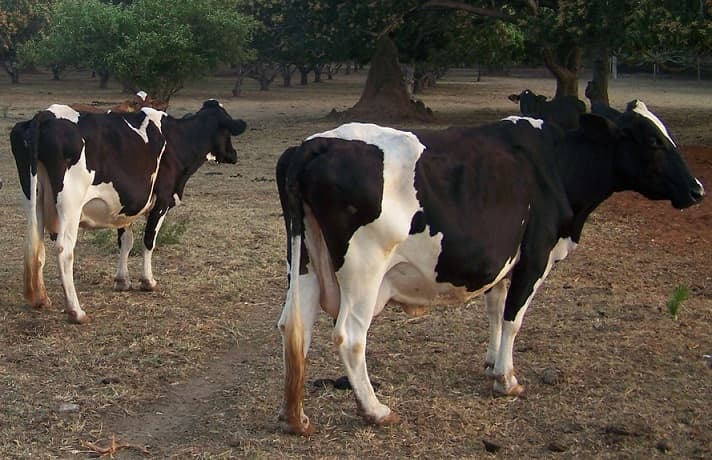
Due to disease epidemics and this veterinary services supply shortfall, farmers are self-treating animal diseases with drugs without veterinary advice and are increasingly reporting mortality and losses of their livestock.
Quality Research in Africa and Why It Is Important
It is critical that Africa cultivates and nourishes the potential of its intelligentsia in Africa. The post-Colonial reality of the 54 countries of Africa, like developing countries worldwide, has been that the most qualified students and Early Career Researchers seek advanced training in the Global North, in many cases immigrating there.
Update – Research And Development Goals for COVID-19 In Africa
Experts identified critical knowledge gaps and research priorities. They shared scientific data on ongoing research, thereby accelerating the generation of critical scientific information to contribute to the control of the COVID-19 emergency.