News
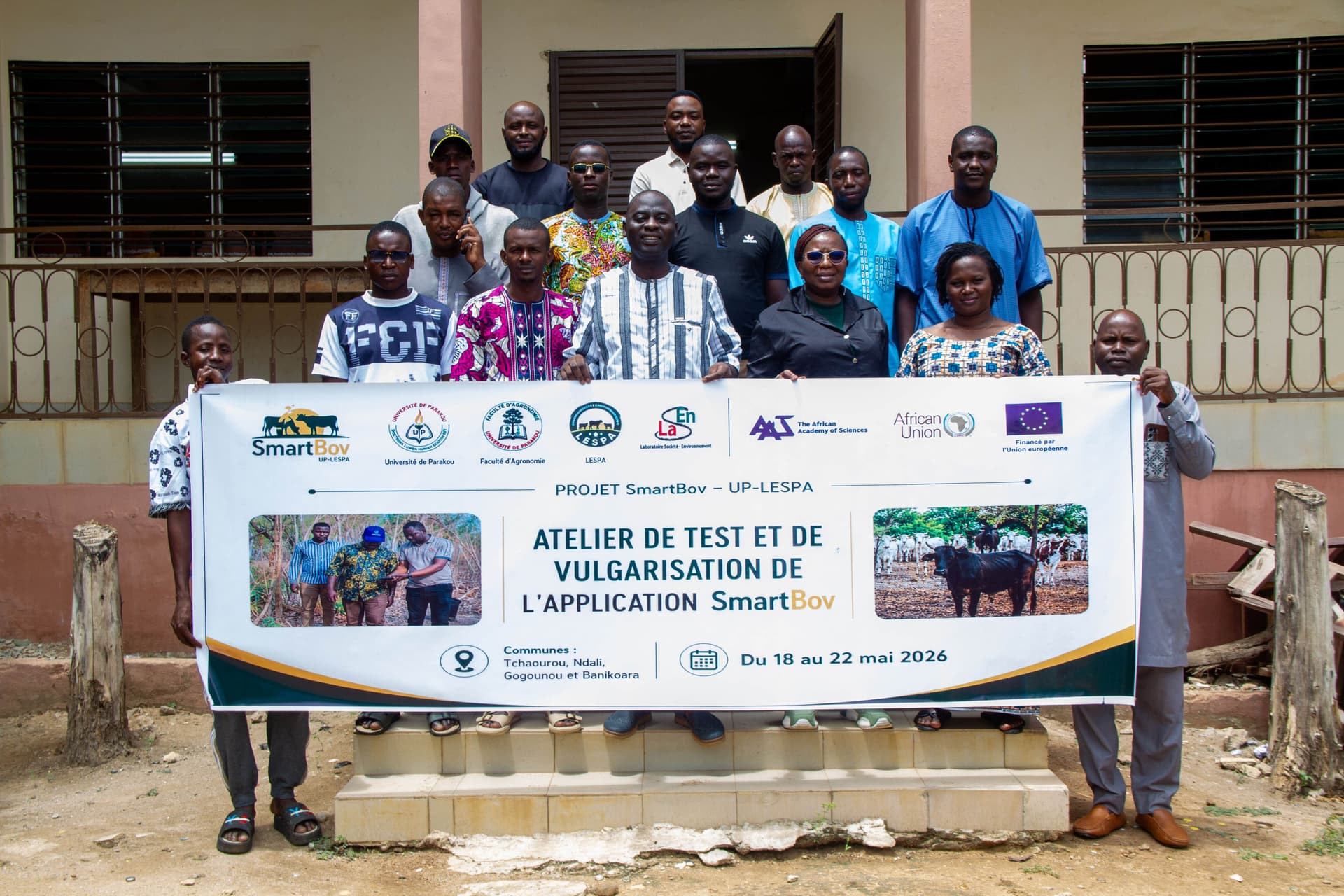
For many smallholder cattle farmers in West Africa, improving livestock productivity may begin with something as fundamental as what animals eat.
Yet, according to Dr Alassan Assani Seidou, an Assistant Professor at the Department of Animal Production, Faculty of Agronomy, University of Parakou in Benin and Fellow of the African Research Initiative for Scientific Excellence (ARISE), inadequate knowledge of cattle nutritional requirements and a lack of appropriate feeding standards remain major constraints to livestock production in the region.
His research is tackling this challenge through SmartBov, a mobile application designed to help farmers formulate affordable, balanced and climate-sensitive feed rations using locally available resources.
Assani’s research interest grew from his experience working directly with livestock farmers. Before joining the University of Parakou, he worked as an independent consultant supporting administrative staff, technicians and smallholder farmers in herd and pasture management.
Through this work, he saw first-hand how poor feeding practices affected livestock production. In particular, inadequate feeding standards contributed to low milk and meat yields.
These experiences shaped his research focus on the sustainable intensification of livestock production in West Africa through better use of locally available feed resources.
A digital tool for better feeding decisions
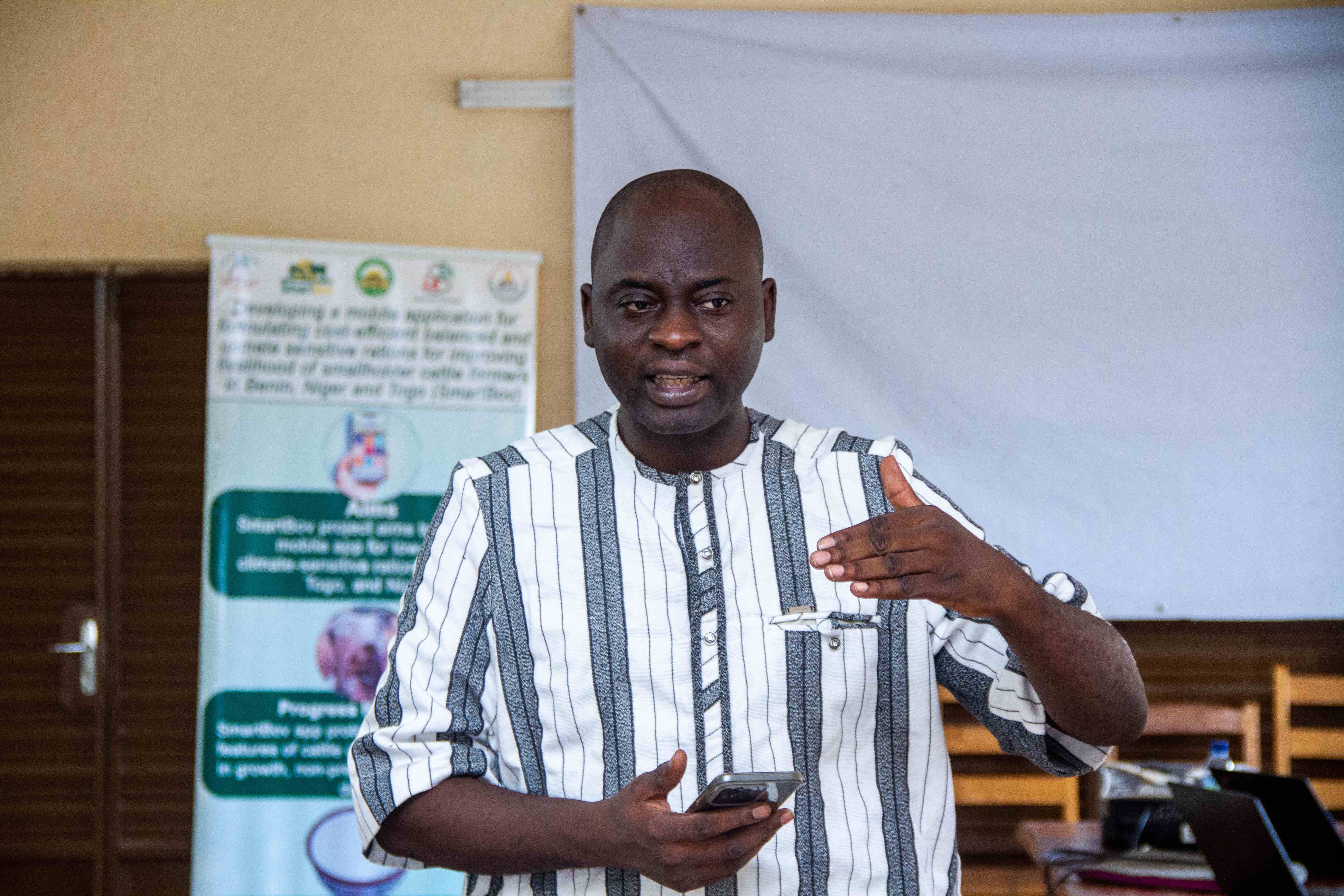
At the centre of Dr Assani’s ARISE project is SmartBov, a mobile application intended to make livestock nutrition information more accessible to small-scale farmers.
The application will use updated data on cattle nutritional requirements to formulate balanced rations at lower cost. By helping farmers determine what combination of locally available feed resources best meets their animals’ nutritional needs, SmartBov is designed to reduce feed wastage while improving feeding efficiency.
His research also uses advanced equipment, including the GreenFeed System, to generate and evaluate data that can contribute to reference systems for feeding local cattle breeds.
For farmers, the goal is straightforward: access to more accurate information to make better feeding decisions.
Linking livestock productivity with climate action
Improving cattle nutrition is not only about increasing milk and meat production. It also has implications for the environmental sustainability of livestock farming.
Poor animal feeding can contribute to greenhouse gas emissions, particularly methane. Dr Assani’s approach therefore seeks to improve feed efficiency while meeting animals’ nutritional requirements.
SmartBov will provide the carbon footprint associated with different feed rations, allowing farmers to consider three factors when making their choices: nutritional balance, cost and greenhouse gas emissions.
This could help farmers identify rations that are not only affordable but also more environmentally friendly.
Putting locally available resources to work
A major challenge in West African livestock production is the lack of appropriate feeding standards for local cattle breeds. When animals are not adequately fed, the consequences can include lower milk and meat productivity, feed wastage and potential income losses for smallholder farmers.
SmartBov is being developed as a response to this challenge by helping farmers make more effective use of locally available feed resources.
The approach could support a more ecological model of cattle production while improving the efficiency of resources already available to farmers.
Making technology accessible to farmers
For a digital solution to have an impact, it must be accessible to the people who need it.
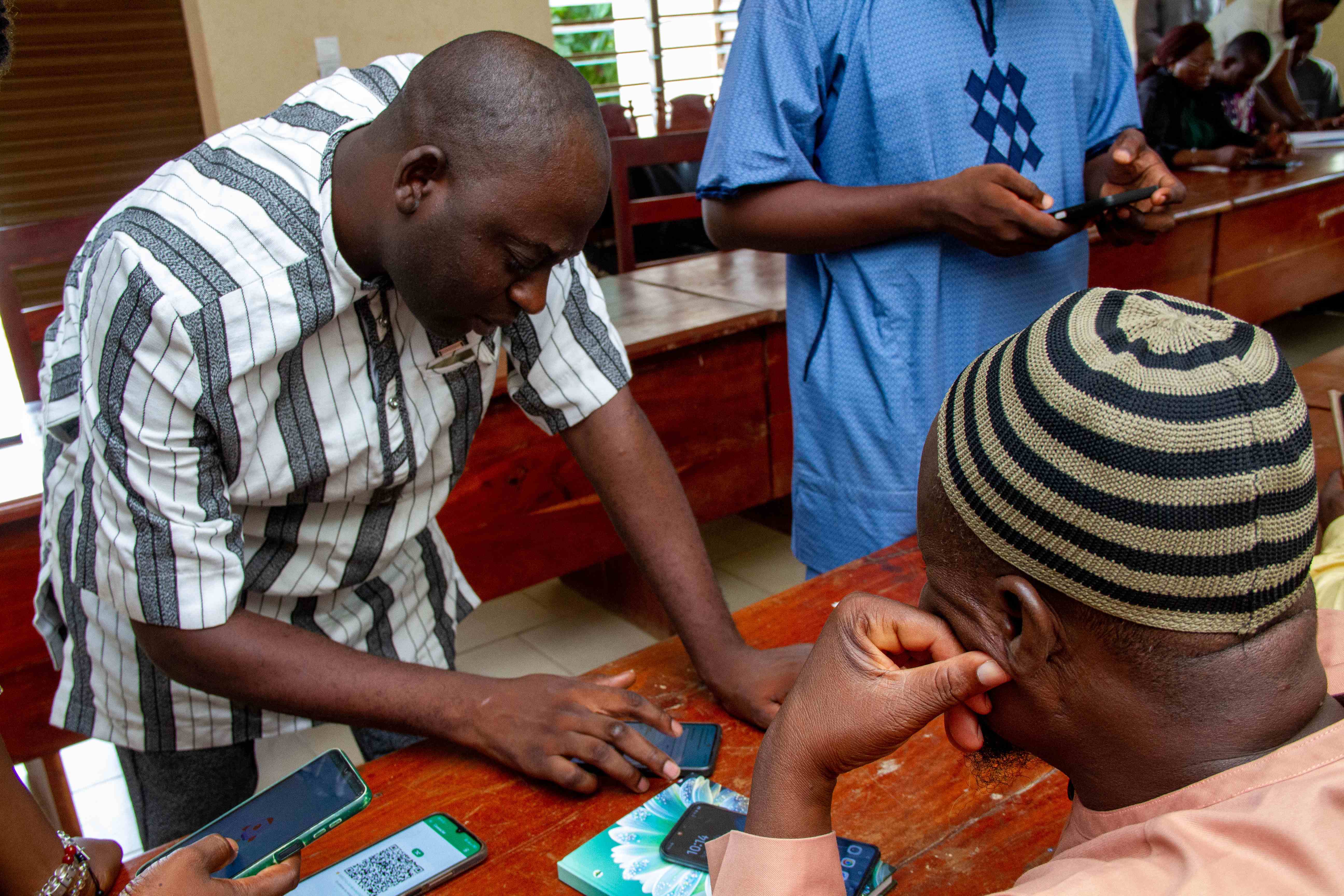
SmartBov is therefore being designed with local farmers in mind. The application will be available in local languages to facilitate adoption, while a communication function will allow users to exchange information and receive feedback.
The platform will also provide information about innovations in animal feed and nutrition.
An e-shop component will go a step further by allowing farmers to order feed directly from a feed mill through the application, creating a link between nutritional information and access to feed resources.
Supporting climate-sensitive livestock farming
The potential impact of SmartBov extends beyond individual farms.
By optimising the use of locally available feed resources and reducing the carbon footprint and greenhouse gas emissions associated with cattle farming, the project aims to contribute to climate-sensitive livestock production across sub-Saharan Africa.
At the same time, improved livestock productivity can support food security and the livelihoods of farmers, particularly as producers face the risks associated with climate variability.
Dr Assani envisions the research contributing to more reliable feeding standards and sustainable livestock practices in West Africa.
From research to policy
This project is also intended to generate evidence that can inform livestock policy.
Dr Assani expects the research findings to provide innovations for the sustainable intensification of local cattle production for both milk and meat, while contributing to improved smallholder livelihoods, household food security and reduced carbon footprints.
The evidence generated through the project could help policymakers make more informed decisions when developing sustainable livestock policies in West Africa.
Investing in the next generation of African scientists
The African Research Initiative for Scientific Excellence (ARISE) fellowship is supporting not only Dr Assani’s research but also the development of scientific capacity.
Through the project, two PhD students and four Master’s-level African scientists will receive training in animal husbandry and environmental research, including the use of precision equipment to assess greenhouse gas emissions in cattle farming.
For Dr Assani, developing this expertise is part of a larger ambition to contribute to an Africa that is increasingly knowledge-based and innovation-led.
A future built around smarter livestock production
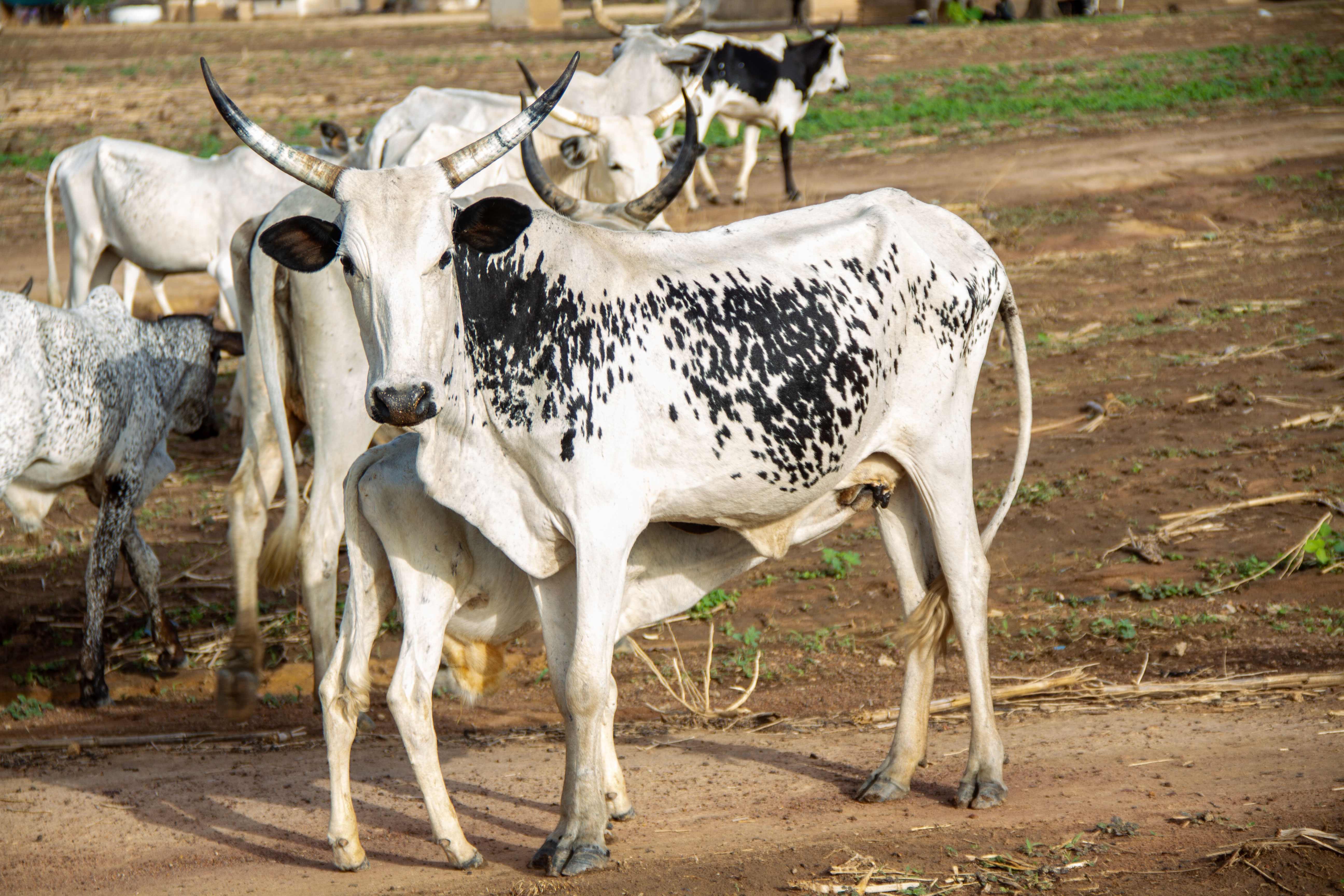
Dr Assani is particularly interested in developing practical applications that address the challenges of feed-resource optimisation and climate change mitigation in Africa’s livestock sector.
His vision extends beyond Benin. He hopes the application and research will improve the livelihoods of smallholder cattle farmers in Benin, Niger and Togo, while also creating opportunities for feed mills to develop start-ups and improve their sales performance.
SmartBov represents an intersection of livestock science, digital innovation and climate action. By bringing nutritional data, local feed resources and environmental information together in one platform, the project aims to put more informed feeding decisions directly in the hands of farmers.
For West Africa’s livestock sector, that could mean not simply feeding cattle better, but building a more productive, resilient and environmentally conscious future for the farmers who depend on them.
Dr Alassan Assani Seidou is a fellow of the African Research Initiative for Scientific Excellence (ARISE) programme and an Assistant Professor at University of Parakou in Benin. ARISE is a research and innovation (R&I) support programme of the African Academy of Sciences (AAS), implemented by the AAS in partnership with the African Union (AU) and the European Union (EU). Founded on the AU-EU High-Level Policy Dialogue on Science, Technology, and Innovation, ARISE provides a vibrant platform and pathway for R&I exchanges in contribution to sustainable and inclusive development, economic growth, and job creation.