News
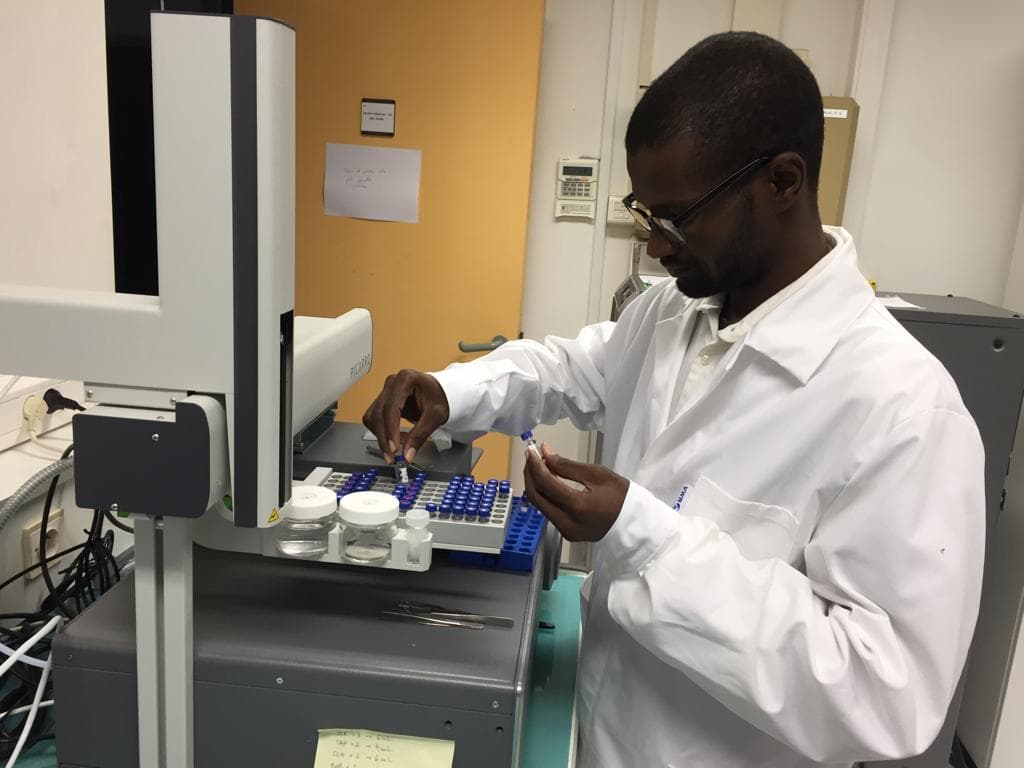
Across the Sahel, water is more than a natural resource, it is the foundation of livelihoods, food security and sustainable development. Yet increasing climate variability, population growth and changing hydrological patterns continue to place immense pressure on water resources, particularly in the Lake Chad Basin, where millions of people depend on both surface water and groundwater.
For Dr Abdallah Mahamat Nour, a Fellow of the African Research Initiative for Scientific Excellence (ARISE) and Assistant Professor at the University of N’Djamena, this challenge has become the focus of his scientific career. His research seeks to deepen understanding of the complex interactions between rivers, wetlands and aquifers, generating evidence that can support more sustainable management of shared water resources across the Lake Chad Basin.
Understanding a Changing Hydrological System
The Lake Chad Basin contains abundant water resources, including rivers, lakes and major aquifers such as the Quaternary, Pliocene and Continental Terminal formations. However, these resources are unevenly distributed across the basin, creating significant challenges for communities that depend on them.
According to Dr Mahamat-Nour, the increasing climatic variability observed over the past five decades, coupled with rapid population growth, has intensified the need to better understand the region’s hydrogeological systems.
“It is crucial to determine how current hydroclimatic changes are really impacting the hydrogeological mechanisms that are still poorly documented in this region of the world,” he explains. “So it is important to understand and address the issue of water resource management.”
These questions form the foundation of his ARISE-supported research, which investigates how climate change is influencing groundwater recharge across the wetlands of the Lake Chad Basin.
Tracing the Hidden Pathways of Water
A key objective of the project is to quantify aquifer recharge within the Chari-Logone system and seasonally connected wetlands under the changing climatic conditions that have affected the Sahel since the late 1970s.
Groundwater recharge is closely linked to interactions between surface water and underground aquifers. While previous studies have shown that recharge occurs within parts of the Lake Chad Basin’s wetland systems, important knowledge gaps remain.
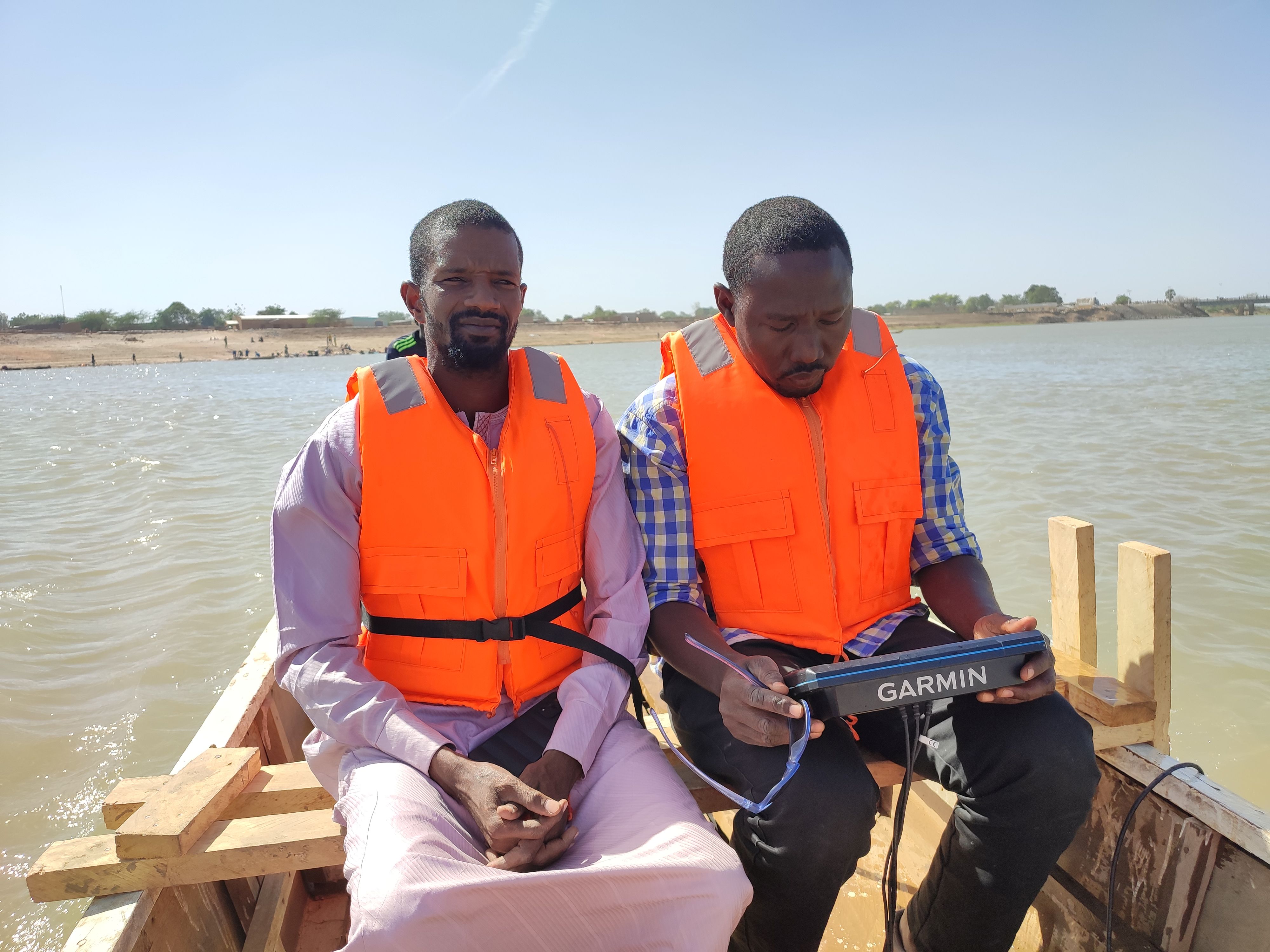
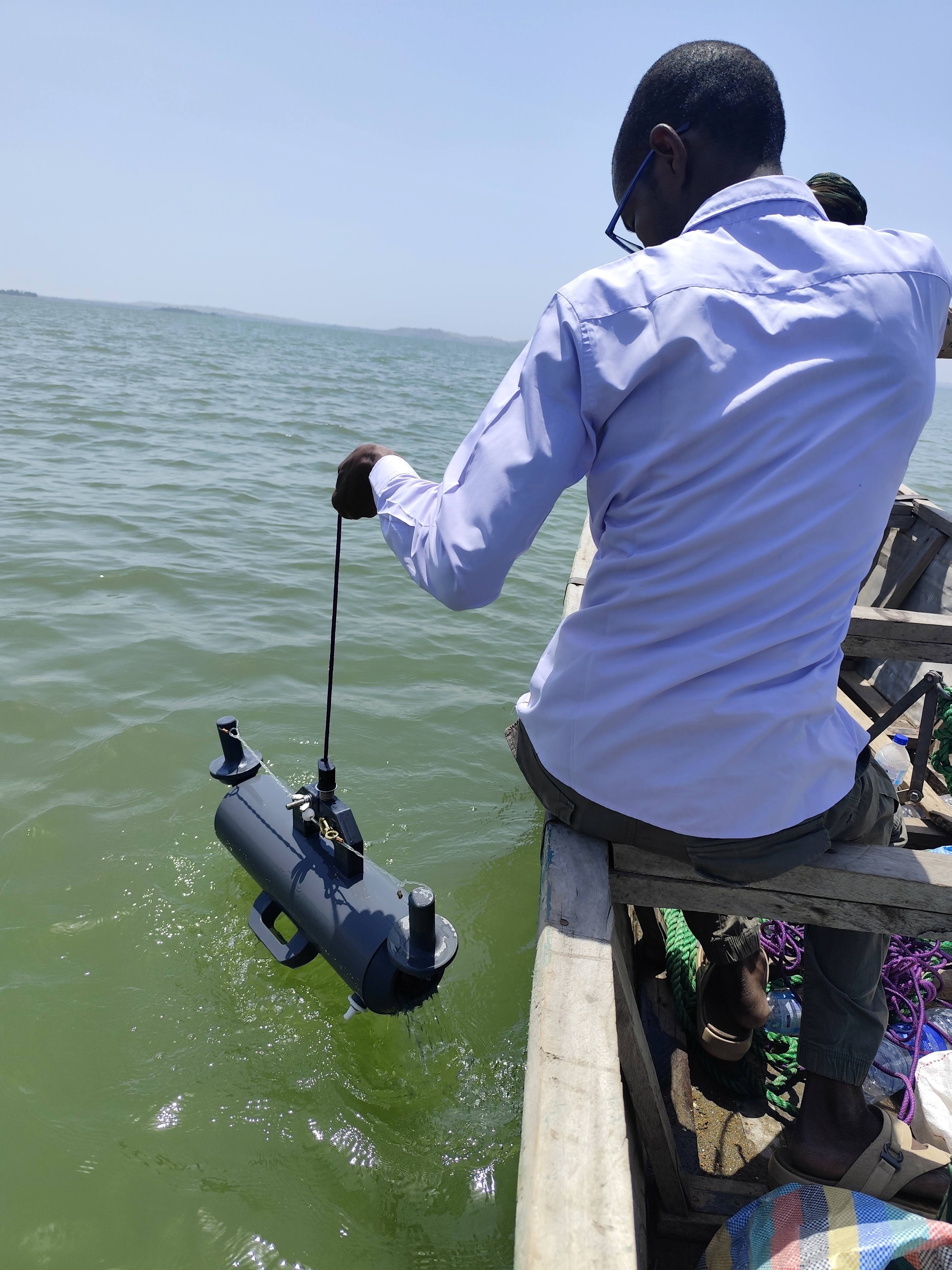
Dr Nour’s research combines geochemical and isotopic techniques that reveal how water moves through the hydrological system. These methods generate critical information on the functioning of hydro-systems, the interactions between surface water and groundwater, and the mechanisms through which aquifers are replenished.
The resulting data also provide the foundation for modelling future scenarios, allowing researchers to explore how changing climatic conditions and demographic trends could influence water availability and inform future water resource management strategies.
Delivering Science with Practical Impact
The research has already produced significant scientific outputs. Among them is the publication of the article Strengthening of the Hydrological Cycle in the Lake Chad Basin under Current Climate Change in Scientific Reports.
For Dr Nour, the importance of this work extends beyond academic achievement. The article provides important insights for flood management for the city of N’Djamena. Therefore, highlighting how scientific evidence can contribute directly to addressing real-world environmental challenges.
The broader research programme is expected to improve understanding of the vulnerability of water resources in a region where access to safe and sustainable water remains a critical concern. By improving knowledge of hydrological balances, groundwater recharge and the links between surface water and groundwater, the project provides evidence that can support long-term planning for water security.
Strengthening Regional Cooperation
The Lake Chad Basin is shared by multiple countries, making scientific collaboration and evidence-based decision-making essential for effective water governance.
Dr Nour believes the project’s findings can provide valuable information on the availability and evolution of shared water resources, supporting institutions responsible for regional cooperation.
By strengthening knowledge of shared hydrological systems, the research contributes to more coordinated approaches to managing one of Africa’s most important trans-boundary water resources.
Building Scientific Capacity for the Future
Beyond advancing research, the ARISE Fellowship has played an important role in strengthening scientific capacity at the University of N’Djamena.
Through the programme, Dr Nour and his colleagues have established a research team and analytical platform capable of producing high-quality scientific data and internationally recognized research. ARISE has also enabled collaborations with international partners, providing access to advanced analytical facilities that are not readily available in Chad.
For Dr Nour, one of the fellowship’s greatest achievements has been the establishment of a laboratory platform equipped to undertake high-level scientific research.
At the same time, he remains committed to developing the next generation of African scientists capable of understanding the issues that are crucial to water resources for the development of the region, and training master’s and doctoral students who will be central to achieving this goal.
From research to resilience
As climate change continues to reshape hydrological systems across the Sahel, the need for robust scientific evidence has never been greater.
Dr Nour hopes to continue expanding research that addresses the region’s most pressing water security challenges, particularly those linked to climate change and flooding.
His work demonstrates how locally led scientific research can strengthen understanding of complex environmental systems while generating practical knowledge that supports sustainable water management, regional cooperation and climate resilience across the Lake Chad Basin.
Dr Abdallah Mahamat Nour is a fellow of the African Research Initiative for Scientific Excellence (ARISE) programme and an Assistant Professor at the University of N’Djamena. He holds a Ph.D. in hydrogeology, and his research focuses primarily on the hydrology and hydrogeology of the Lake Chad basin, isotope hydrology and hydrogeochemistry, aquifer recharge, and hydrological and hydrogeological modeling. His research also examines the interactions between surface water and groundwater, water quality, and the impacts of climate change on water resources in the Sahelian context.
ARISE is a research and innovation (R&I) support programme of the African Academy of Sciences (AAS), implemented by the AAS in partnership with the African Union (AU) and the European Union (EU). Founded on the AU-EU High-Level Policy Dialogue on Science, Technology, and Innovation, ARISE provides a vibrant platform and pathway for R&I exchanges in contribution to sustainable and inclusive development, economic growth, and job creation.