News
Africa cannot afford to leave its scientific knowledge out of the decisions that shape its future. From food security and healthcare to industrial growth, the continent must turn research into action and invest in the scientists and institutions capable of delivering it.
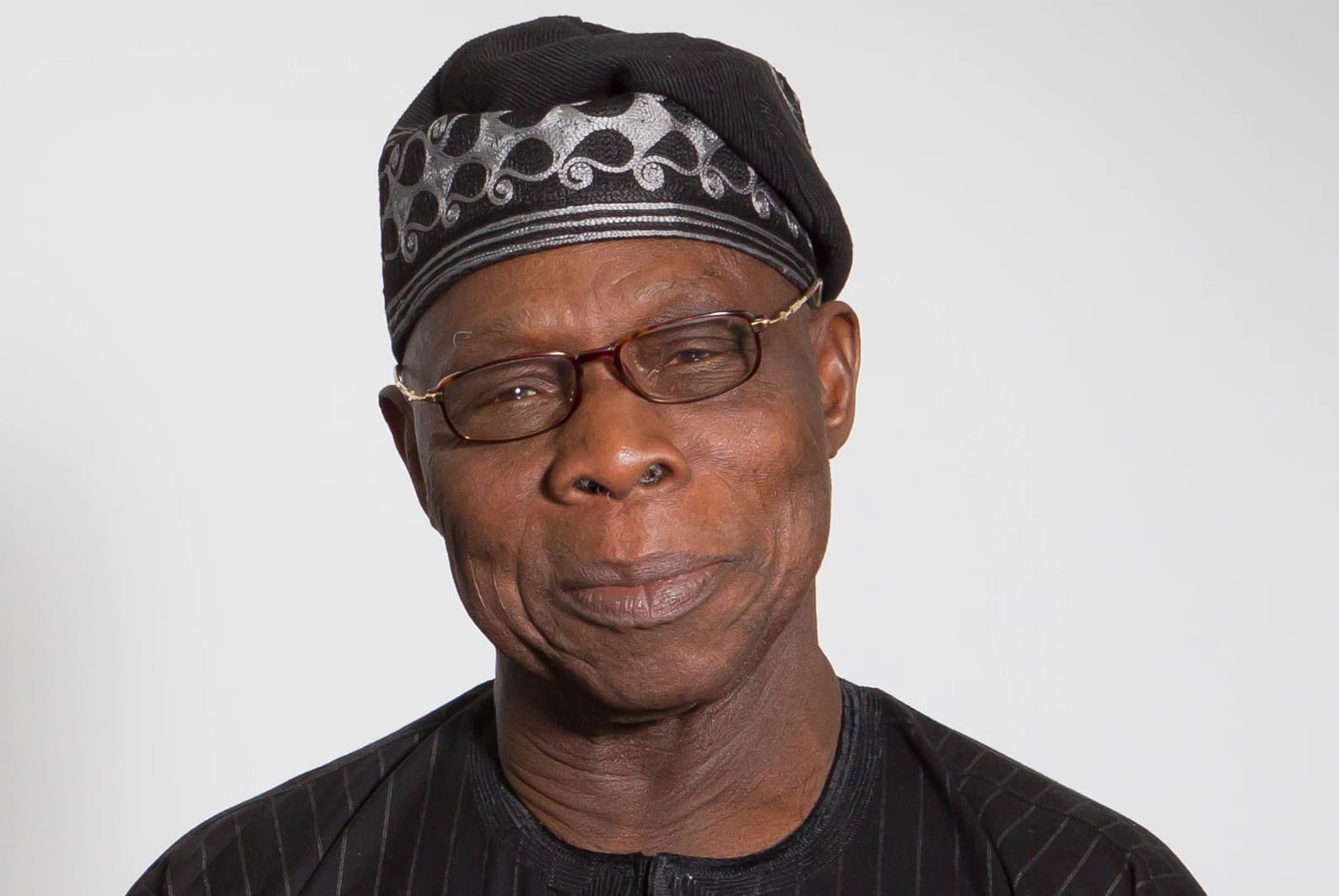
This was the urgent challenge emerging from H.E. Chief Olusegun Obasanjo’s address at the African Academy of Sciences (AAS) second Presidential Lecture, held under the theme “Science, Leadership and Africa’s Development: Reflections on the Future of the Continent.”
The former Nigerian President called on governments, scientists, business leaders, and philanthropists to take shared responsibility for putting African knowledge to work. The consequences of inaction reach beyond research institutions, they affect farmers’ livelihoods, the quality of healthcare, economic opportunity, and Africa’s ability to determine its own development path.
Make evidence central to leadership
H.E. Obasanjo emphasized that research must reach the people who need it. Agricultural discoveries must benefit farmers. Health research must strengthen medical practice and health systems. Knowledge generated in laboratories must translate into practical improvements in everyday life.
Achieving this requires deliberate connections between scientists and political leaders. The dialogue, moderated by Professor Oladele Ogunseitan, explored how scientific advice can become a routine part of government decision-making.
The challenge for governments is to create reliable channels through which evidence informs policy, budgets, and implementation. Researchers, in turn, must communicate findings clearly and engage with the institutions responsible for acting on them.
For the AAS, this is a call to mobilize its over 600 Fellows, expertise, and continental networks more strongly in support of public decisions. Scientific knowledge must be available when decisions are being made, with opportunities for researchers to help translate that knowledge into action.
Invest in Africa’s capacity to produce and innovate
H.E. Obasanjo’s example of cocoa exposed a wider economic challenge. Africa produces valuable raw materials but captures too little of the value generated from them. Changing this position requires investment in research, processing, manufacturing, and local innovation. Science must help Africa strengthen food production, revive industries, and build greater capacity to meet its own needs.
Continued dependence on imported solutions limits the opportunities available to African researchers and businesses. Supporting science is therefore a practical investment in economic resilience, jobs, and the continent’s ability to respond to its own priorities.
Build on the US$5 million commitment
H.E. Obasanjo’s appeal is backed by a significant legacy. Under his leadership, the Government of Nigeria provided US$5 million to establish an endowment for the African Academy of Sciences, helping strengthen the institution’s financial foundation.
Welcoming him, AAS President Professor Friday Okonofua recognized that contribution as an expression of confidence in African scientists and their ability to address the continent’s challenges. He urged other African leaders, governments, and philanthropists to draw inspiration from it.
That example must now encourage further commitments. The Academy needs sustained investment to support scientific excellence, bring expertise together, and connect research with policy. Funding individual projects is important; financing the institutions that sustain this work across generations is equally essential.
H.E. Obasanjo emphasized that governments cannot shoulder this responsibility alone. African business leaders, foundations, and philanthropists must invest in universities, young scientists, innovators, and institutions such as the Academy.
His offer to help the AAS open doors to potential supporters creates an opportunity for action. The Academy must identify those opportunities and demonstrate what investment in African science can achieve.
Give scientific excellence a future in Africa
African scientists deserve recognition for their achievements and the resources to build on them. Awards and public recognition must be accompanied by research funding, capable institutions, career opportunities, and meaningful access to policymakers. Celebrating excellence should help create the conditions for more of it to flourish.
Professor Peter Okebukola’s closing reflections captured the ambition an Africa where leaders routinely seek scientific evidence and young researchers can pursue successful careers without feeling compelled to leave the continent.
The priorities are clear. Governments must embed scientific advice in decision making. African investors and philanthropists must commit sustained resources to research and scientific institutions. The Academy must turn its networks and partnerships into stronger support for scientists and greater policy influence.
H.E. Obasanjo’s US$5 million legacy demonstrates what committed leadership can make possible. The urgent task now is for others to build on it by investing in the African Academy of Sciences and ensuring that African science helps drive Africa’s decisions.
Copy right: Fabio Chironi Photography from Concordia Summit